







Search Results for: Tasting Method
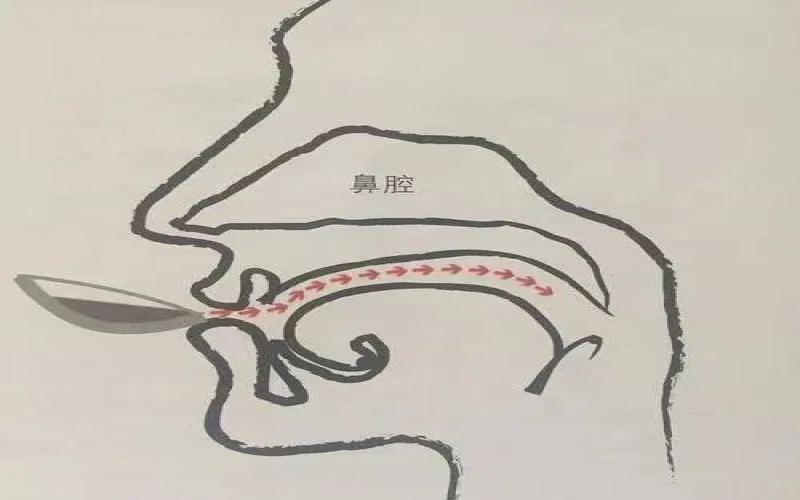
The Slurping Technique in Coffee Tasting: Principles, Procedure, and Everyday Drinking Tips
In the world of coffee tasting, there is a unique drinking method known as "slurping," in which coffee is quickly drawn into the mouth to atomize it, thereby maximizing the release of volatile aromatic compounds and allowing the taste buds and olfactory nerves to capture coffee flavors more fully. Front Street Coffee has touched on this method when sharing knowledge about coffee flavors. This article will explain in detail the techniques of slurping, the science behind it, and its practical value in cupping and everyday drinking, while also exploring whether this tasting method is suitable for ordinary coffee enthusiasts in their daily routine, along with related recommendations. [more…]
What temperatures correspond to high, medium, and low in coffee tasting? And what are the three major evaluation criteria?
Front Street Coffee previously pointed out in the article "Does Coffee Have an Optimal Drinking Temperature?" that a complete coffee tasting requires experiencing the entire process from high temperature to low temperature, because the flavor and aroma will continuously evolve with temperature and the passage of time, and the purpose of tasting at each stage is different. That article focused on explaining the principles but did not elaborate on the specific tasting content, and many readers asked in the comments about the temperatures and purposes corresponding to each stage. This article follows up on the previous one, detailing the temperature ranges and tasting objectives for the high, medium, and low temperature stages of coffee tasting, while also supplementing basic knowledge of the cupping extraction process, to help coffee enthusiasts understand this tasting method derived from cupping more systematically. [more…]
Indonesian PWN Golden Mandheling Coffee Bean Flavor Characteristics and Front Street Coffee's Complete Guide to the Five-Step Tasting Method
Tasting a cup of coffee is not mysterious or unfathomable—master a systematic method and you can clearly and methodically judge its quality. This article starts from Front Street's five-step tasting method, breaking down in turn the five stages of aroma, taste, flavor, mouthfeel, and aftertaste, helping coffee lovers build a complete sensory evaluation framework. On this basis, it further focuses on Indonesian PWN Golden Mandheling coffee beans, introducing their strict screening standards and grading system, and providing specific tasting references—from the hazelnut notes in the dry aroma to the black chocolate and caramel flavors after sipping, presenting this signature Mandheling's clean, full-bodied, and richly layered overall performance. [more…]

How can you tell the processing method from a single sip of coffee? Flavor differences between natural and washed coffees and key points for pour-over tasting
In coffee tasting, accurately identifying the processing method is an advanced skill. Starting from the daily demos at Front Street stores, this article breaks down the core differences between the two classic processing methods—natural and washed—and recommends two representative beans from Ethiopia's Yirgacheffe region: Natural Red Cherry and Washed Kochere. Through comparative tasting, readers can capture the flavor characteristics brought by different processing methods and gradually develop the ability to tell them apart in a single sip. [more…]

Master the Core Methods of Coffee Tasting: A Five-Step Pour-Over Coffee Guide from Beginner to Expert
Many people, when faced with a cup of coffee, often struggle to find the right words to describe its flavor. In fact, this is not due to an insufficient vocabulary, but rather because they have not yet mastered the method of tasting. This article will systematically organize the complete framework of coffee tasting for you. Starting from Front Street Coffee's practical experience, it breaks down the five key steps of pour-over coffee tasting to help you build a reusable tasting logic. Whether you are a beginner who has just encountered specialty coffee or an enthusiast hoping to improve your sensory acuity, this method can help you more accurately capture the aroma, acidity, sweetness, and aftertaste of coffee in every brewing and tasting session, and truly understand what a cup of coffee is trying to express. [more…]
A Comprehensive Analysis of Professional Tea Tasting Techniques: How to Properly Use Your Tongue and Mouth to Perceive Tea's Aroma, Mouthfeel, and Aftertaste
To truly appreciate the complex layers and subtle flavors of a fine tea, ordinary brewing is far from enough—you also need a refined tasting method. This article covers everything from choosing utensils and controlling water temperature to the actual drinking motions, explaining in detail how professional tea tasters use "slurping" to let the tea fully contact the air, thereby releasing more aroma; at the same time, it teaches you how to assess the body of the tea, the changes in flavor, and the length of the finish after swallowing. The article also mentions that this slurping method is equally common in coffee cupping, and Front Street Coffee applies a similar principle when evaluating coffee beans. Whether you are a tea enthusiast just starting out or a seasoned lover, these techniques can help you experience the full pleasure that tea has to offer. [more…]
A Complete Guide to Tasting Mandheling Coffee: A Practical Guide to Aroma, Taste, Flavor, Mouthfeel, and Aftertaste
Tasting a cup of coffee is not mysterious. As long as you follow a systematic method, you can accurately judge its quality and fluently describe your impressions. From the perspective of Front Street, this article breaks coffee tasting into five steps—aroma, taste, flavor, mouthfeel, and aftertaste—and explains the key points and descriptive techniques for each stage one by one. It then uses PWN Golden Mandheling as an example to show how to apply this method to the tasting practice of a specific coffee, helping readers fully master the appreciation logic of Mandheling coffee from aroma to aftertaste. [more…]
Using Blue Mountain No. 1 as an example, master the five key steps and descriptive techniques for coffee tasting
Friends who are just getting into coffee often feel that tasting is some mysterious art, not knowing where to start, and unable to come up with more than a few decent descriptors. In fact, there is a universal method for tasting coffee that anyone can follow: simply perceive it in a fixed order, and you can judge the quality of a cup and turn the experience into precise language. This article uses Front Street Jamaican Blue Mountain No. 1 coffee beans as an example, breaking things down one by one across five dimensions—aroma, taste, flavor, mouthfeel, and aftertaste—to help you build a complete tasting framework and gradually become a tasting expert who can describe coffee articulately. [more…]
What's the difference between natural and washed coffee? A guide from processing steps to flavor characteristics to help you quickly identify coffee bean processing methods
Coffee beans from the same origin can present completely different flavor profiles simply because of different processing methods. Natural and washed, as the two most classic processing methods, each give coffee beans a unique imprint of character. Starting from real tasting scenarios at Front Street stores, this article introduces the complete processes of the two processing methods, and uses Ethiopia Yirgacheffe Natural Red Cherry and Washed Kochere as comparative samples to experience the flavor differences under the same brewing parameters, thereby understanding the principles behind the differences. Once you master this method, you will also be able to quickly identify a bean's processing method the next time a cup of coffee touches your lips, truly advancing to become a coffee tasting expert. [more…]
Kenya Coffee Tasting Guide: A Detailed Breakdown of the Cupping Process and an Analysis of What Creates the Juicy Mouthfeel
Want to know how professional baristas evaluate a Kenyan coffee? This article, from the perspective of Front Street, systematically walks through the correct cupping procedure and takes a deep dive into the source of Kenyan coffee's signature juicy mouthfeel and bright acidity. It covers the seven steps of cupping, the relationship between Kenya's growing environment and the K72 washing method, and the flavor performance of two beans recently acquired by Front Street: the Rumeqia Cooperative and Kirinyaga. Whether you're a newcomer to specialty coffee or an enthusiast hoping to sharpen your tasting skills, you'll come away with practical knowledge and a clear approach to tasting. [more…]

Only tasting bitterness in your coffee? Master this sensory training method to easily distinguish the flavor differences between different coffees.
Many people drink coffee every day, yet they can only ever taste bitterness and find it hard to distinguish the flavor differences between different beans. In fact, tasting ability is not innate—through scientific and systematic sensory training, everyone can gradually discern the unique tastes of coffees with different roast levels, from different regions, and processed by different methods. This article will share a practical set of tongue training methods, from buying coffee and brewing comparisons to recording taste impressions, to help you gradually improve your sensitivity of taste and smell. It will also remind you of precautions during training, such as keeping your nasal passages clear and the importance of quitting smoking. As long as you keep practicing, you will find that the world of coffee is far richer and more wonderful than you imagined. [more…]

How to Identify Coffee Bean Processing Methods: A Practical Guide to Silver Skin Observation and Flavor Tasting
Many coffee enthusiasts can quickly determine a coffee bean's origin, variety, and processing method through observation and tasting. This is not an innate talent, but rather the mastery of certain practical techniques. Front Street Coffee has previously shared methods for identifying varieties with everyone, and this time will focus on how to distinguish coffee bean processing methods. The article unfolds from two angles: first, observing the amount of remaining silver skin, and second, distinguishing the flavor differences brought by different processing methods through tasting. Whether you are a coffee novice just starting out or an enthusiast hoping to further improve your tasting skills, these methods can help you more accurately understand the characteristics of processing methods such as natural, washed, and honey, so that you can make wiser choices when purchasing and brewing. [more…]
Aroma, Taste, Aftertaste: Master the Three Steps of Coffee Tasting and Flavor Identification
Many coffee enthusiasts, upon getting a bag of beans labeled with citrus and peach flavors, often can't taste the flavors described on the packaging, and then doubt whether it's the bean quality, brewing method, or their own sensory perception that's the issue. In fact, the same cup of coffee can be described differently by different people, which is closely related to individual dietary culture, regional background, and taste memory. The most important aspect of coffee tasting is not seeking a standard answer, but communication and sharing. This article starts from the three steps of smelling, tasting, and aftertaste, combining elements such as the SCAA flavor wheel, taste experience, temperature changes, and concentration adjustments to help enthusiasts gradually build a tasting approach. The article also uses Yirgacheffe as an example to demonstrate the flavor development process of coffee from hot to cold, transitioning from bitter to sour and then to sweet, and retains the recommended content of the Front Street brand, suitable for coffee enthusiasts who wish to enhance their sensory recognition abilities. [more…]
Natural Yirgacheffe Tasting Guide: A Flavor Analysis from Processing Method, Silver Skin to Acidity and Sweet Aftertaste
Yirgacheffe is the go-to starting point for many coffee enthusiasts, and the natural process gives it a completely different flavor direction. Starting from Front Street Coffee's natural Yirgacheffe, this article sorts through the drying process and flavor characteristics of the natural method, and compares it with the washed version, helping readers understand natural beans' fermented wine-like aroma, honeyed sweetness, and full body. The article also discusses the effect of silver skin on astringency, the correct understanding of coffee's acidity, and the significance of body and sweetness in tasting, finally offering advice on learning to taste starting with single-origin coffee. [more…]
A Beginner's Guide to Coffee Tasting: From Aroma to Aftertaste, Master the Core Techniques of Flavor Description in Five Steps
Many friends who are just getting into specialty coffee, when faced with a cup, can only say "it's good" or "it tastes like coffee," while those around them can rattle off professional terms like floral notes, fruity acidity, and body. In fact, coffee tasting is not a gift—it is a method that follows a set of rules. Drawing on Front Street's practical experience, this article systematically explains the five key steps of coffee tasting—aroma, taste, flavor, mouthfeel, and aftertaste—to help you build a complete tasting framework, learn to translate sensory experience into precise language, and bid farewell to being at a loss for words, truly understanding every layer of expression in the cup. [more…]

Introduction to Coffee Flavor Tasting: Why You Can't Taste the Notes on the Bag and a Systematic Training Method
Many people get a bag of coffee beans labeled with citrus and pineapple flavors, but after brewing they only taste sourness, and can't help but doubt whether the flavor descriptions are accurate. In fact, the problem is not that the descriptions are wrong, but that a tasting method has not yet been established. Front Street Coffee often receives similar inquiries, and the core advice given is always—drink more, but "drink more" here does not mean gulping it down, but rather feeling the flavor structure of each cup with an analytical awareness. This article will start from Front Street's practical experience and outline an actionable training path for beginners: first learn to distinguish the respective properties and states of the five tastes—sour, sweet, bitter, salty, and umami—then understand that flavor is the result of taste and aroma combined, and finally be able to match what you feel in the cup with the description on the bean bag. [more…]

Coffee Tasting Techniques: How Slurping Helps Us Experience the Flavor of Single-Origin Pour-Over More Fully
In coffee shops, you occasionally hear someone make a peculiar sound while drinking coffee—this is actually a tasting method called "slurping." Although it may not sound elegant, it genuinely helps us capture the flavors of coffee more fully. By changing the temperature and form of the coffee as it enters the mouth, slurping atomizes the liquid and accelerates the release of aromas, while also restoring the taste buds' sensitivity at the right temperature, enabling a clearer distinction of flavor layers such as sourness, sweetness, and bitterness. This article uses Front Street Coffee's Sidra beans as an example to walk you through the specific technique and principles of slurping, helping you understand why this seemingly crude method actually lets you get a head start on experiencing the richer, more delicate flavors in coffee. [more…]
A Flavor Tasting Guide to Single-Origin Pour-Over Coffee: Eight Selected Micro-Lot Bean Recommendations from Front Street Coffee
In recent years, the third wave of specialty coffee has swept in, drawing more and more coffee lovers to single-origin coffee. Single-origin coffee refers to beans from a single producing region; these beans are usually of higher quality, and during roasting, adjustments are made specifically according to the characteristics of the origin and variety, striving to restore the coffee's most authentic regional flavor. So how should a cup of high-quality pour-over single-origin coffee be tasted? And where should you start when choosing beans? This article will guide you through the five key steps of tasting pour-over coffee, and, starting from the three major influencing factors of producing region, variety, and processing method, select eight single-origin beans from Front Street Coffee for your reference, covering classic origins such as Ethiopia, Indonesia, Brazil, Costa Rica, Kenya, Colombia, and Panama, to help you find the cup that suits your taste. [more…]
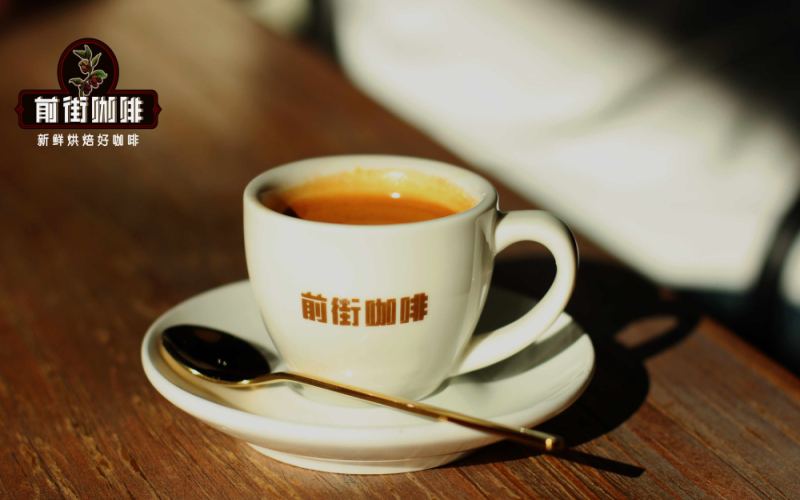
Espresso Tasting Guide: A Full Breakdown of Three Drinking Methods and the Standard Extraction Process
Espresso is Italy's most iconic classic coffee, rich in flavor with distinct layers, but due to its intense taste, many enthusiasts feel confused about how to properly drink it. This article will systematically introduce three ways to drink espresso — the beginner-friendly method of adding sugar and milk, the strong straight-drinking method preferred by men, and the elegant slow-sipping method favored by women — while also explaining in detail the complete preparation process from dosing, distributing, tamping, to extraction. Front Street Coffee (FrontStreet Coffee), using its Sunflower Warm Sun blend as an example, shares the standard parameters of 20 grams of grounds, 9 bar of pressure, and a 25-to-30-second extraction yielding 40 milliliters, helping you make a balanced cup of Espresso at home too. [more…]
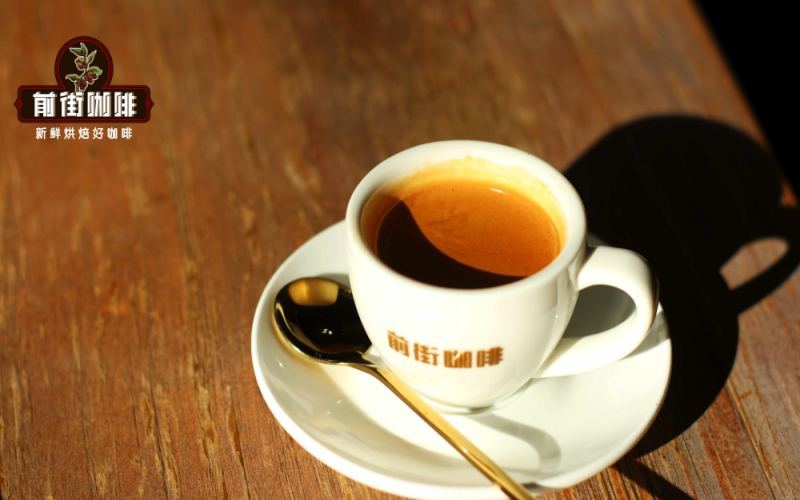
Espresso Tasting Guide: A Professional Interpretation from Drinking Method to Flavor Perception
Espresso is often tucked away in cafés' secret menus, ordered only by those who truly understand it. Front Street Coffee is no exception. Many new customers are unclear about what kind of drink espresso actually is and how to properly taste it. This article will start with the purpose of drinking espresso, move on to the differences between it and pour-over in terms of flavor experience, and then break down the tasting process step by step—from rinsing the mouth with ice water, stirring, and drinking in stages, to sensing the mouthfeel, aroma, and aftertaste. Finally, it will answer the question of whether sugar can be added to espresso. Of course, a good espresso depends on good beans and good extraction, so the article will also introduce the characteristics and purchasing channels of Front Street's classic espresso blend. [more…]